
Good for Nothing: The Hidden Economic Fallout of the Iran-Israel-US War
- Darren Jones
- Mar 11
- 3 min read

“War.
What is it good for?
ABSOLUTELY NOTHING…”
Edwin Starr said it best. War does nothing good for the people, leaders, or land. To make things worse, it puts businesses at risk.

The Iran-Israel-US War is going to cost us, in ways we can’t even imagine. With rumors of retaliatory drone strikes in California, heightened alerts and worries of territories attacks across the country, and the US intelligence community gearing up warnings of retaliatory cyber attacks, we must move with caution and prepare for the worst.
In fact, we can already see the war is currently impacting us, quicker than we anticipated. Below are __ ways this war is currently impacting you.
Gas Prices
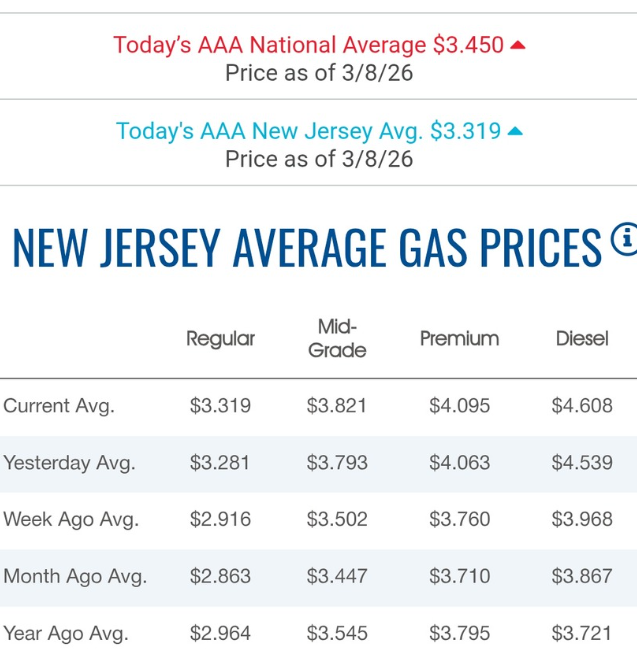
First, the crisis has immediately increased gas prices. Prices are likely to continue to rise due to the growing tension in the Strait of Hormuz. The longer term impact is difficult to predict, however we anticipate this lasting longer than the war itself.

In New Jersey, gas prices are above $3.31 for the first time in years.
Shipping Costs
As the cost of oil and gas increases, shipping and transportation costs will as well. As a result, consumer goods will cost more, leading to lower profits. The cost of goods sold are usually including the cost of shipping the products to the business. 90% businesses are unable to handle an increased cost, resulting in them passing it onto consumers. These aren’t explicitly stated on a receipt, but embedded in the final price of a goods.

Grocery Prices
Over 33% of fertilizer moves through the Strait of Hormuz, especially during Spring. Within a week, prices have increased by 30%. This could also lead to fertilizer shortages, which then will also drive up agricultural costs and lower supply.
Inflation
With the rise in gas prices, we can anticipate the costs will be passed on to all areas of consumerism. As a result, we should start preparing ourselves to see a change in the downward inflation trends.
Conclusion
While Edwin Starr was right that war is good for absolutely nothing, doing nothing in response to its fallout is not an option. The ripple effect of this conflict—from the pump, to the grocery checkout, to the bottom line of your business—is undeniable and already in motion.
As we face the likely reversal of our recent progress against inflation, the best defense is proactive preparation. Whether it’s tightening your household budget, auditing your business's supply chain, or shoring up your digital networks against potential retaliatory cyber threats, the time to act is now. We may not be able to control the conflict on the global stage, but we can control how we brace ourselves for the economic impact at home. Stay vigilant, stay informed, and prepare for a turbulent road ahead.

What You Can Do Right Now: A Preparation Checklist
For Your Business:
Audit Your Supply Chain: Reach out to suppliers now. Identify alternative vendors or consider locking in current rates for shipping and materials before costs climb higher.
Review Your Margins: Calculate exactly how much of a shipping or material increase your business can absorb. Have a plan in place for transparently communicating necessary price increases to your customers.
Bolster Cybersecurity: With warnings of retaliatory cyber attacks, ensure your business's software is updated, enforce multi-factor authentication (MFA) for all employees, and back up critical data to an offline or secure cloud server.
For Your Household:
Adjust Your Budget for Inflation: Re-evaluate your monthly budget immediately. Allocate extra funds for non-negotiables like gas and groceries, and temporarily cut back on discretionary spending.
Stock Up on Pantry Staples: With fertilizer shortages threatening agricultural yields, consider buying bulk non-perishable goods and household essentials now before grocery prices jump further.
Optimize Your Commute: Combat rising gas prices by consolidating errands, exploring carpooling options, or utilizing public transportation where feasible.
Resources:


Comments